
green•wash
(grēn'wŏsh', -wôsh')
Used to describe the act of misleading consumers regarding the environmental practices of a company or the environmental benefits of a product or service.

 User-submitted videos:
 |
 |

What's this all about?
Every day, Americans are bombarded with advertising about environmentally friendly goods and services. But how many really are green, and how many are just pretending?
INTRODUCTION TO STOPGREENWASH.ORG
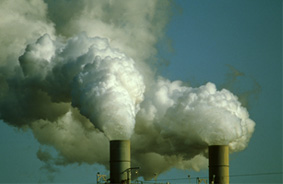 These days, green is the new black. Corporations are falling all over themselves to demonstrate that they are environmentally conscious. The average citizen is finding it more and more difficult to tell the difference between those companies genuinely dedicated to making a difference and those that are using a green curtain to conceal dark motives.
Environmental Groups Highlight “Greenwashing” by American, United, Continental Airlines
 We know the oil companies are notorious greenwashers, but you might not have thought about the airlines. Apparently, they're just as guilty as big oil.
This month a group of environmental organizations, including Earth Justice, Center for...
We know the oil companies are notorious greenwashers, but you might not have thought about the airlines. Apparently, they're just as guilty as big oil.
This month a group of environmental organizations, including Earth Justice, Center for...
Don't be fooled by Shell's Arctic ads
Greenpeace has been documenting Shell's greenwash for years, including false claims about capturing CO2 emissions and misinforming consumers about tar sands. But since BP's oil disaster, Shell has embarked on a huge, new ad campaign bigger...
Greenpeace Greenwash Criteria
702 H Street, NW, Suite 300, Washington, D.C. 20001 (800) 326-0959


